Last Crush
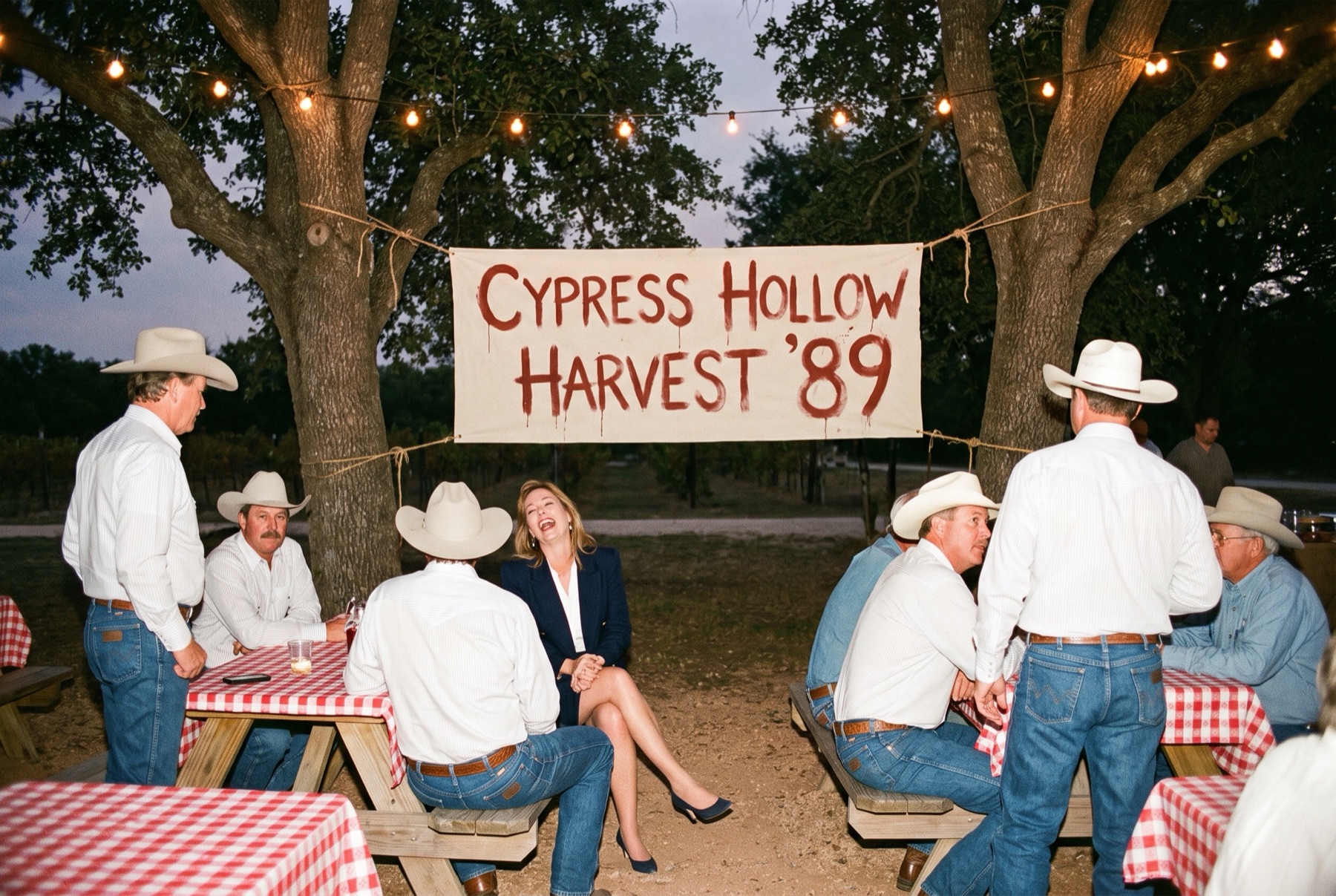
October 1989. A Hill Country winemaker is found dead in his own fermentation tank the morning after the harvest party. The sheriff calls it an accident. His sister does not, and she is hiring you.
About this case
Sealed envelopes. Real documents. A case that opens only as fast as you can crack it. Built for two people, a long evening, and the person across the table who disagrees with you.
Nothing to install. No account. A laptop, a tablet, or a television with something plugged into it.
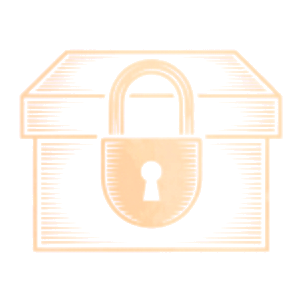
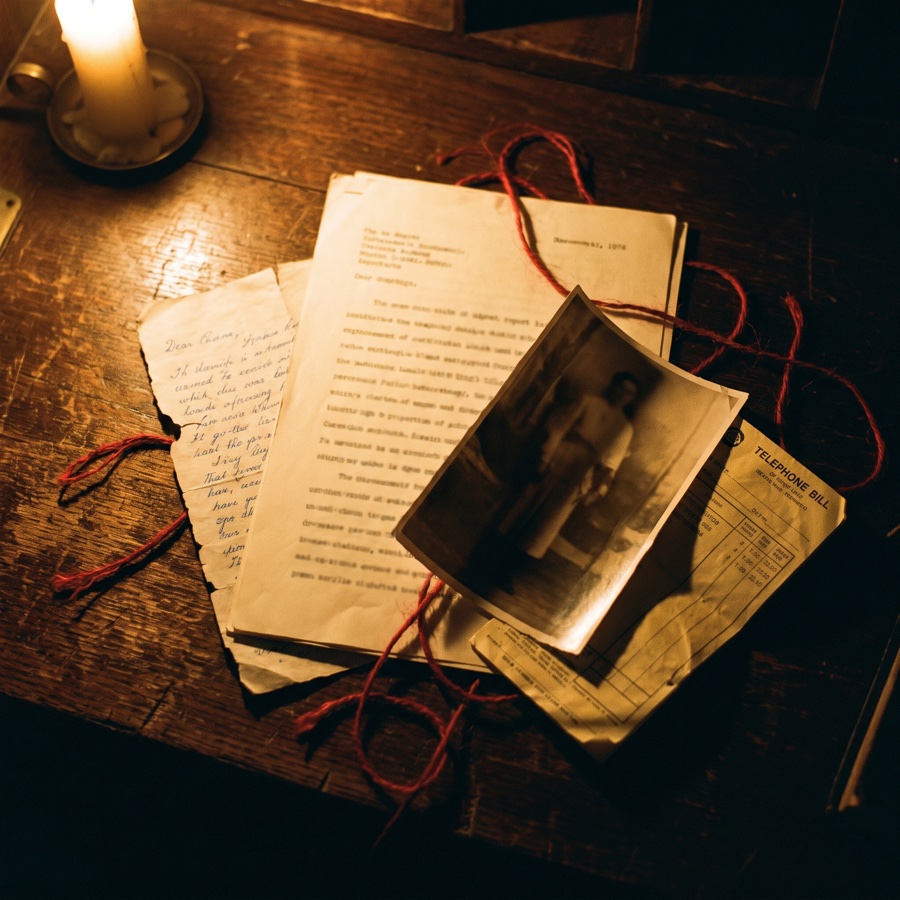
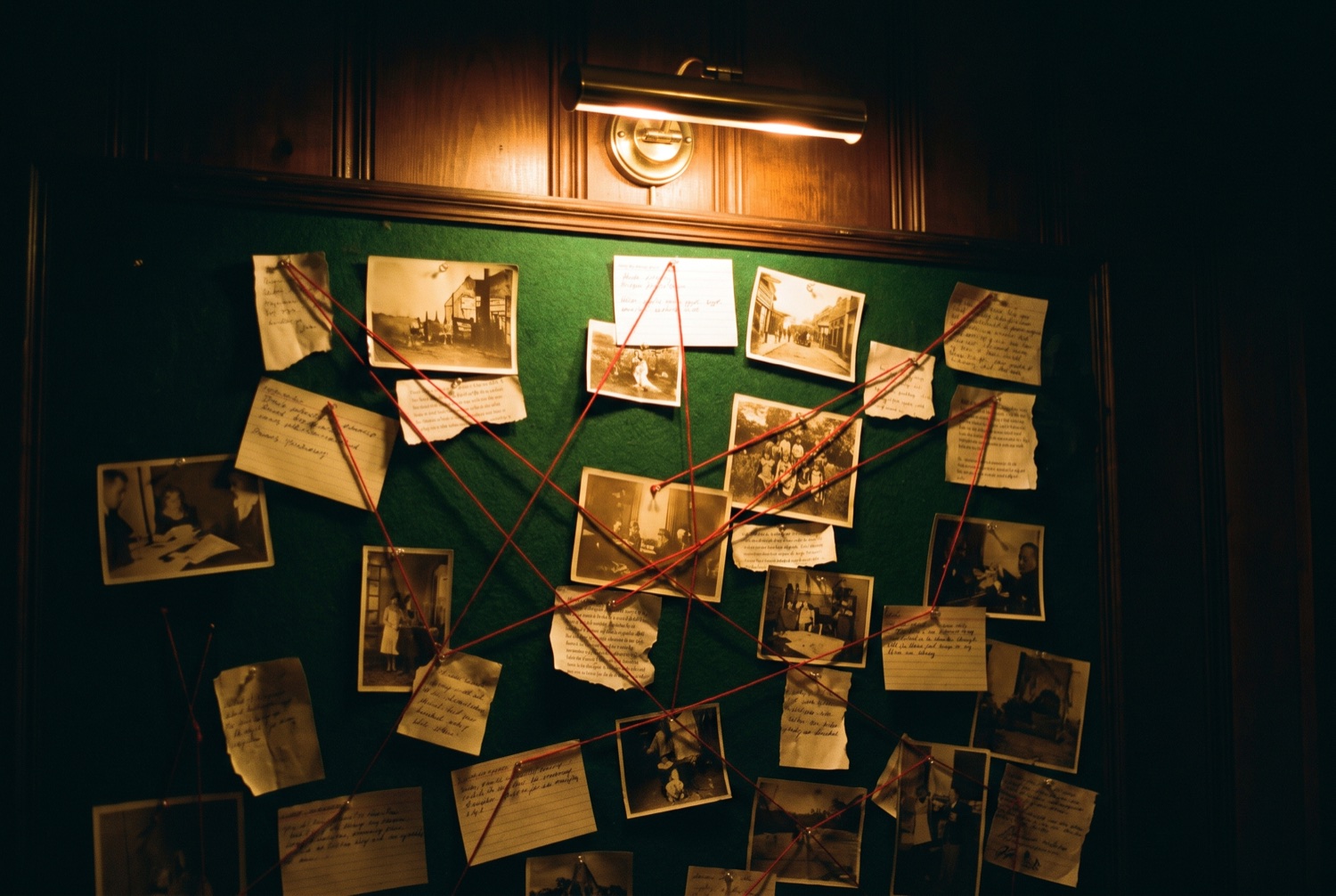
A sheriff's report. A phone bill. A torn note in a dead man's hand. You read what a detective would read and decide what it means. Nothing is multiple choice.

Each one opens with a code you earn from the last: a cipher, a date, a serial number on a barrel. The story cannot run ahead of you, and you cannot skip to the end.
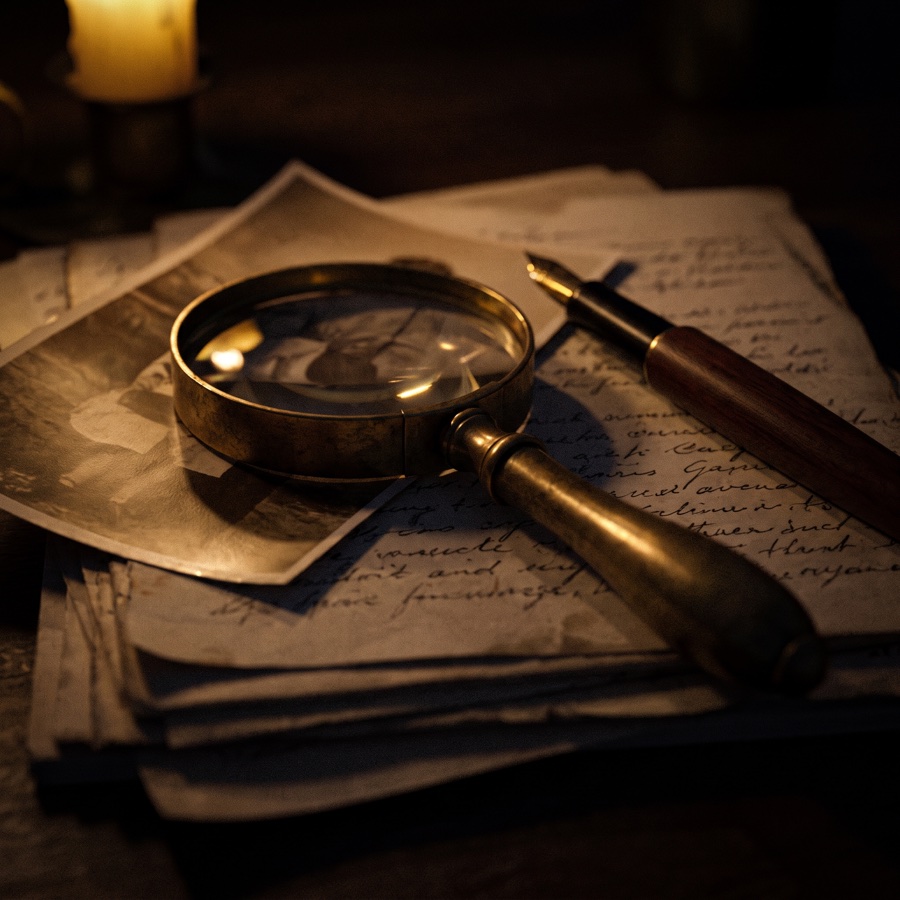
Every innocent suspect is cleared by a piece of paper you can point to. The guilty one is cleared by nothing. When you name them, you will be able to say why.
We build slowly and play everything at our own table before it goes on the shelf. Here is what is there.
October 1989. A Hill Country winemaker is found dead in his own fermentation tank the morning after the harvest party. The sheriff calls it an accident. His sister does not, and she is hiring you.
About this case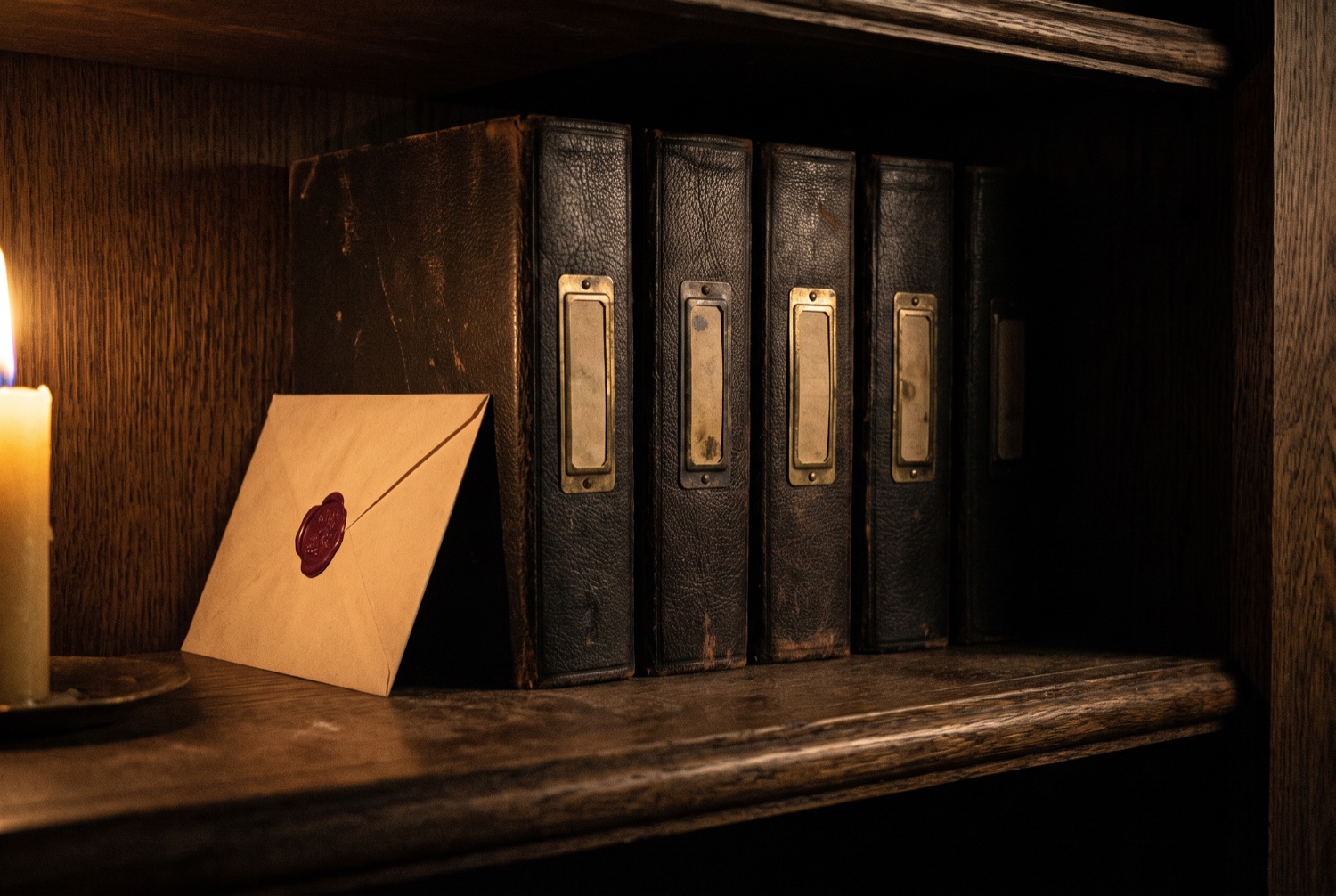
Five envelopes instead of four, and three suspects who could all have done it right up to the last page. Still exactly one answer. Still all on paper.
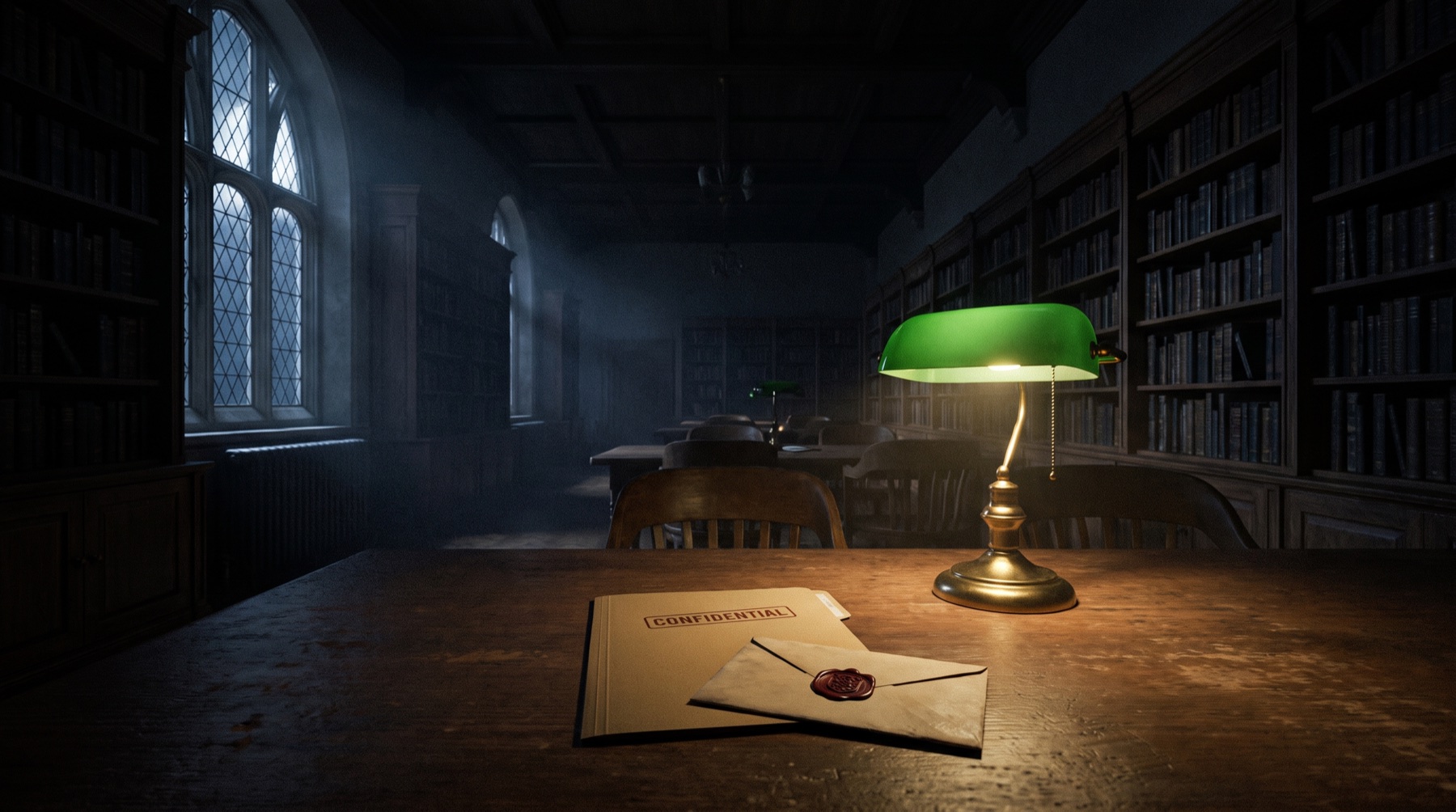
A disappearance rather than a death, an archive rather than a crime scene, and a client who is not telling you everything. That is all we will say.
Be told when it opens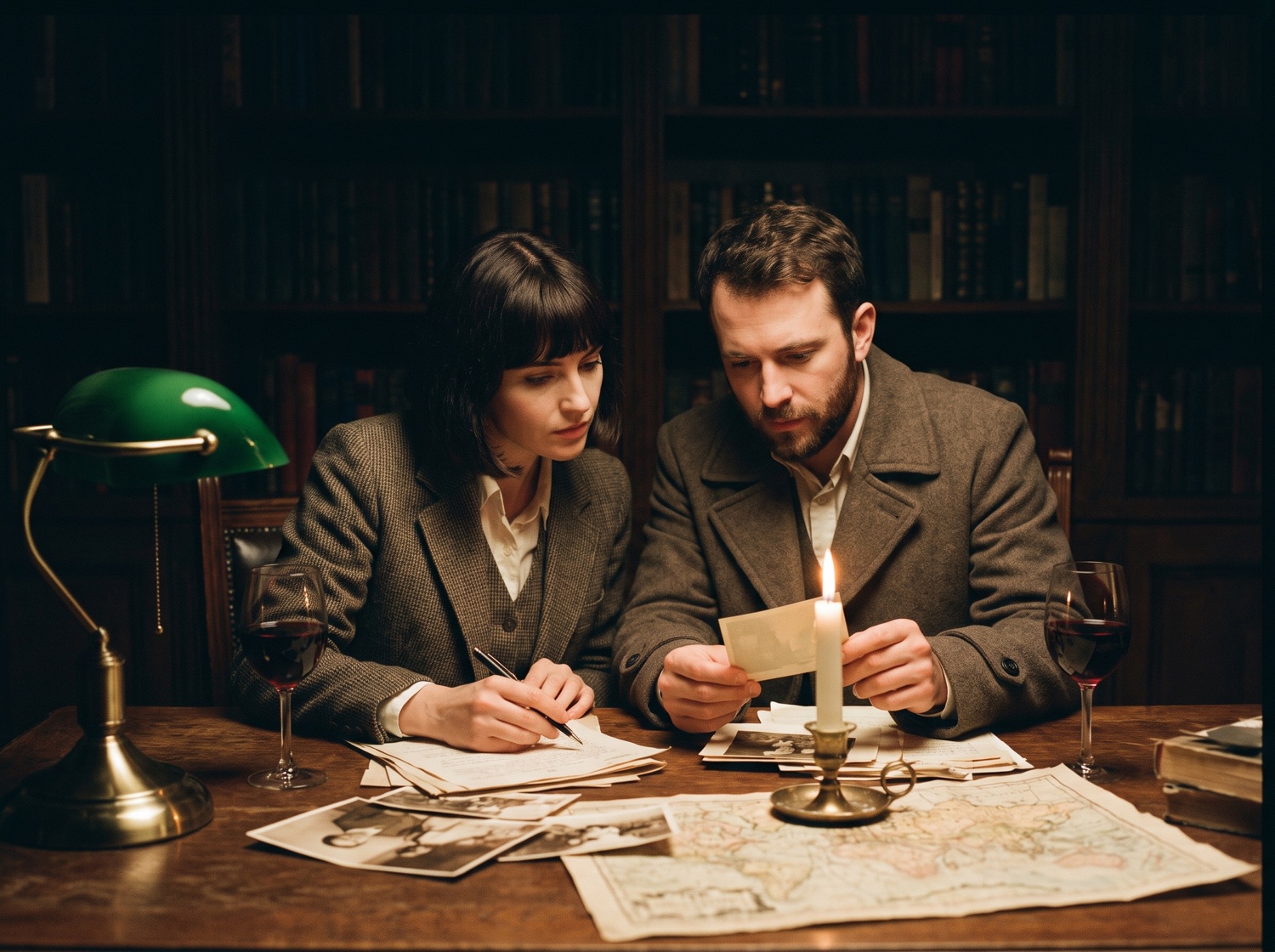
Our cases are written for adults who like a mystery novel more than a party game. There is a death in every one. It reads like Christie, not like a horror film, and it rewards the kind of attention you give a good book. Two is the ideal number. Four works on a television with someone driving.
Browse the casesA letter from your client and everything they could get their hands on. Read it twice. The first code is already in there.
Statements, logs, receipts, photographs. Build a timeline. Notice who lied about a small thing, and whether the small thing matters.
A cipher with its key in the box. A date on a wine label. A serial number on an inventory. Each one opens the next batch of evidence.
Say who, how and why. Right, and the sealed solution opens. Wrong, and your client writes back that it does not hold, and points you at the hints.
One letter when a case is ready. Nothing else, ever.
Last Crush is. It is our first case and the one we cut our teeth on, so it is on the house. Future cases will be a few dollars each, and every one will have a free first envelope so you can see whether it is your kind of thing.
No. Everything is on screen: the letters, the reports, the photographs, the ciphers. Pen and paper help for the timeline, the way they help any detective. If you want the tactile version, each case also comes as print-ready PDFs you can seal into real envelopes with real padlocks.
One to four around a single screen. Two is the sweet spot. Larger groups do fine on a television with someone driving.
No. There is a death at the center of every case, but it reads like a good mystery novel, not a horror film. Written for 14 and up.
Every case has three tiers of hints for each puzzle: a nudge, the mechanism, and the answer. You choose how much help to take. Nobody is keeping score but you.
Yes, in your browser. Stop mid-case and pick it up tomorrow on the same device. There are no accounts, so there is nothing to sign in to.